Okavango Floods Bring a Spectacular Safari Season Across Northern Botswana

News

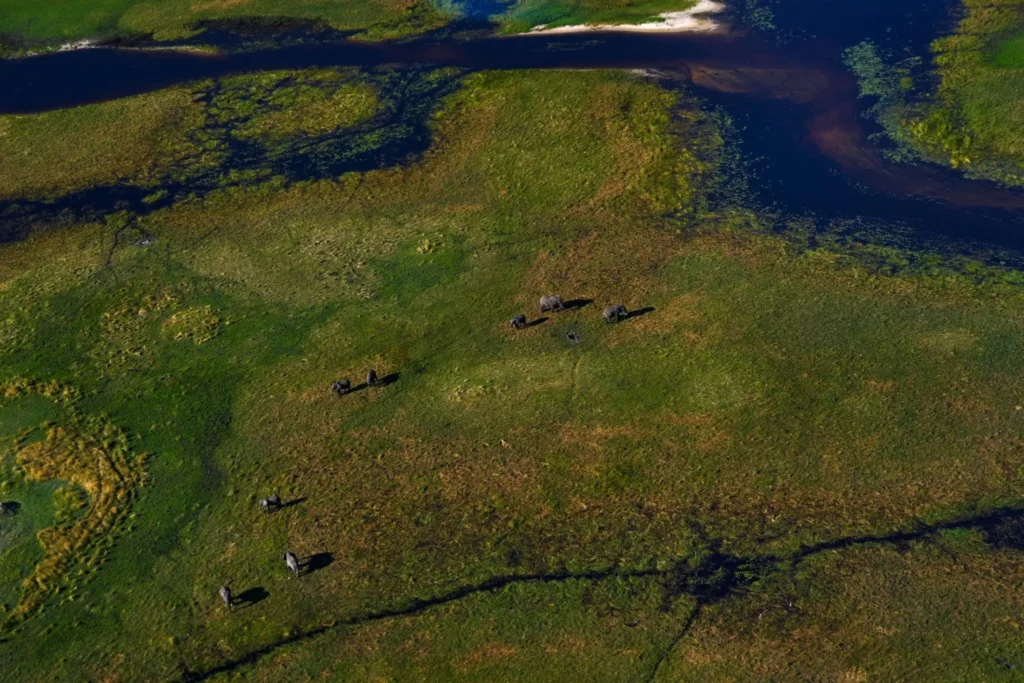
Northern Botswana is experiencing one of its most dynamic and visually striking flood seasons in recent years, with water levels across the Okavango Delta, Chobe River, and Zambezi systems transforming the region into a thriving, water-rich wilderness.

For travellers planning a safari in 2026 — particularly self-drive adventurers — this is shaping up to be an exceptional year to visit Botswana.


A Region in Full Flow

The annual floodwaters, originating from Angola, have moved strongly through northern Botswana, with noticeable impact across multiple key safari regions:

  • Eastern Okavango (Khwai & Moremi):
    • Large areas currently underwater
    • Khwai airstrip submerged by over a metre
    • Moremi Game Reserve temporarily closed for two weeks due to flooding
    • Game drive areas more concentrated, creating focused wildlife viewing zones
  • Chobe National Park & Chobe Riverfront:
    • Elevated river levels pushing wildlife into tighter corridors
    • Exceptional elephant and buffalo concentrations along the riverbanks
    • Boat-based viewing and riverside game drives particularly rewarding
  • Zambezi River System (Caprivi / Kasane region):
    • Healthy water levels supporting rich floodplain ecosystems
    • Strong birdlife activity and excellent photographic conditions
    • Easy driving routes combined with water-based safari experiences

Together, these systems are creating a rare, high-water safari environment that is both visually dramatic and ecologically rich.


Why This Is Excellent for Wildlife

As water spreads across the landscape, wildlife adapts — and often thrives:

  • Animals concentrate on accessible dry ground, leading to high-density sightings
  • Predators take advantage of these conditions, creating dynamic interactions
  • Birdlife flourishes across wetlands, channels, and river systems
  • The overall experience becomes more intimate and immersive

In many cases, travellers are seeing more wildlife in smaller areas, with less need to cover long distances.


What This Means for Self-Drive Safaris

This is not a year where Botswana becomes inaccessible — it’s a year where smart routing unlocks exceptional experiences.

  • Eastern Delta areas like Khwai are best suited to experienced drivers or guided access
  • Chobe and the Zambezi regions remain highly accessible and incredibly productive
  • Western and southern Okavango-edge areas are offering excellent balance between access and wildlife

With the right planning, self-drive travellers can enjoy some of the best conditions Botswana has to offer.


Where We Recommend for the Best 2026 Experience

Habu: Open Terrain Meets Okavango Wildlife

On the western edge of the Delta, Habu is delivering exceptional safari conditions this season:

  • Minimal impact from extreme flooding
  • Expansive, open landscapes ideal for viewing
  • Strong populations of elephant, lion, and plains game
  • Relaxed, accessible driving conditions

📍 Location: Western Okavango, approximately 3–4 hours from Maun


Xudumela: Elephant-Rich Wilderness Close to Maun

Xudumela Conservancy is standing out as one of Botswana’s hidden gems in 2026:

  • Large herds of elephant moving through the area
  • Beautiful riverine setting along the Xudum River
  • Easy access with minimal technical driving
  • Quiet, exclusive safari atmosphere

📍 Location: Southern Okavango fringe, near Maun


Chobe Riverfront & Zambezi: High-Reward, Easy Access

For travellers wanting reliability combined with incredible wildlife:

  • Chobe Riverfront: unmatched elephant densities and predator activity
  • Zambezi / Caprivi: rich river systems with excellent accessibility
  • Ideal for combining self-drive with boat-based experiences

These areas are performing exceptionally well under current conditions.


The Smart Safari Approach for 2026

The best itineraries this year combine:

  • Okavango-edge areas like Habu and Xudumela
  • River systems like Chobe and the Zambezi
  • Optional contrast with Makgadikgadi or Central Kalahari

This creates a safari that is:

  • More varied
  • Easier to navigate
  • Often more rewarding than a traditional single-region trip

The Bottom Line

Botswana in 2026 is not defined by flooding — it is defined by abundance.

  • More water
  • More wildlife concentration
  • More dramatic landscapes

With the right route and guidance, this is one of the most exciting safari years in recent memory.


Plan Your Self-Drive Safari with Confidence

At Chobe 4×4, we specialise in designing self-drive safaris based on real-time conditions across Botswana.

From the Okavango to Chobe and the Zambezi, we ensure you are:

  • In the right place
  • At the right time
  • With the right vehicle and support

👉 Get in touch to plan your 2026 Botswana self-drive safari


Tags :
News

Map to African Safari Lodges and Accommodation

an interactive map of all camping, caravan, fishing and bush lodges in all of Southern Africa.

14 Day Itinerary

Day 1-2         Kasane Chobe Safari Lodge camping + Sunset cruise + Vicfalls day trip

Day 3-4       Nwabwa River Lodge camping

Day 5           Shametu River Lodge camping

Day 6:          Makgovango River Lodge

Day 7-8       Grassland Lodge in Gantsi + Bushmen interaction

Day 9-12     CKGR camping

Day 13           Rakops River Lodge camping

Day 14          Sedia Hotel Maun + scenic flight

13 Day Itinerary 4 people

Day 1:                Gaborone – Mokolodi Nature reserve challets + sunset game drive

Day 2-3:          Khutse camping

Day 4-8:          CKGR camping

Day 9:              Planet baobab camping

Day 10-11:          Kubu Island camping

Day 12:              Khama Rhino Sanctuary camping

Day 13:               Gaborone Aquarian Tide DBB

13 Day Itinerary 2 people

Day 1-2:         Vicfalls Shearwater Village

Day 3:             Kasane Chobe Safari Lodge + sunset cruise

Day 4- 5:       Kongola Lodge

Day 6-8:        Guma Lagoon + fishing

Day 9:             Maun

Day 10-11:       Khumaga

Day 12:            Elephant Sands

Day 13:            Lucky Bush camp